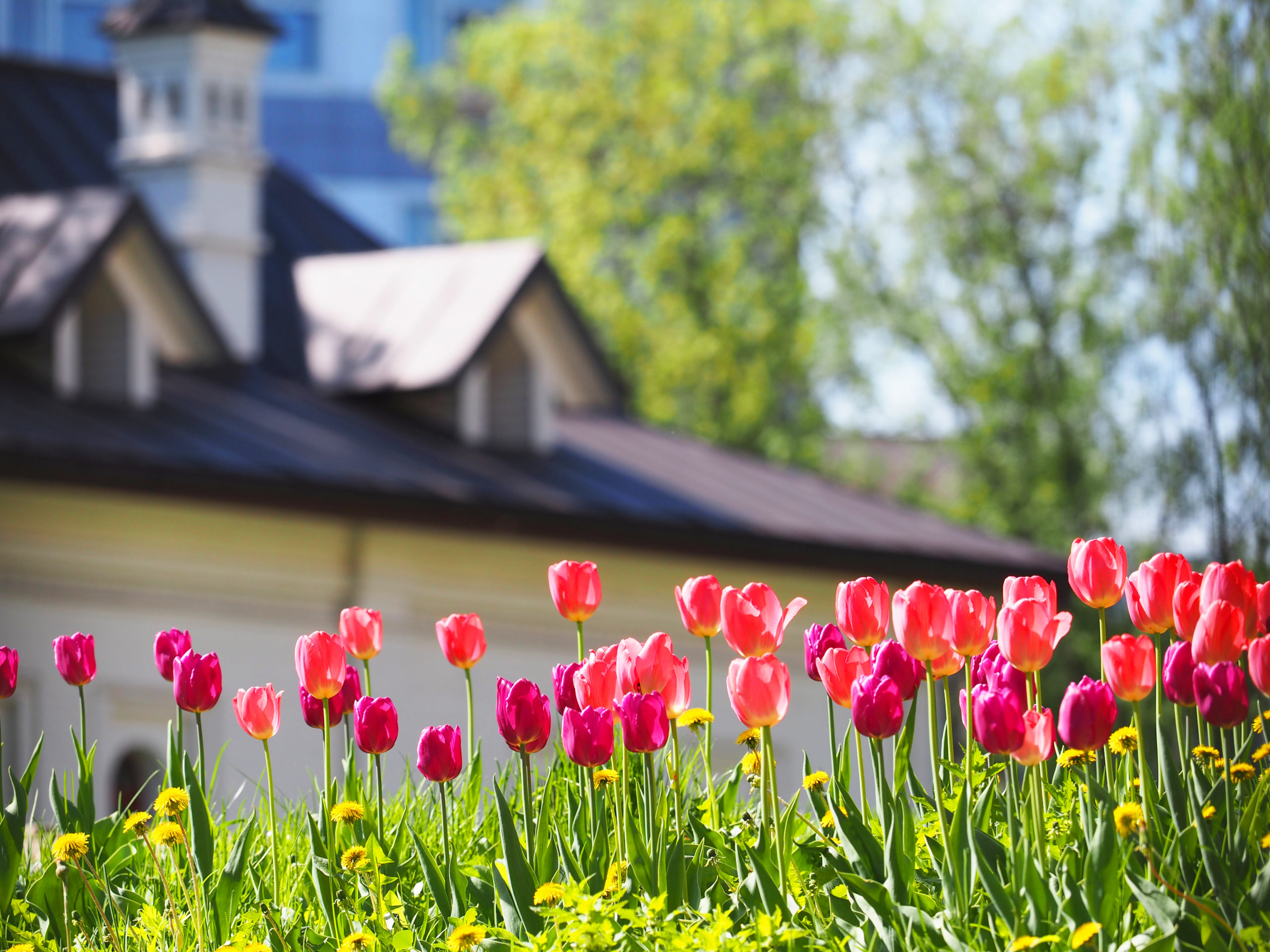
If you’re like most people, as soon as the weather starts to warm up, and the mornings are bright and sunny, you start thinking about your garden, and what you can do to have the most successful growing season ever! Before you start your garden, though, here are a few tips to help you prepare, grow, and maintain your garden the best way possible starting right now!
1. Order early
A windy and rainy early spring day is the perfect time to get out the catalogues, and order your flower bulbs, and seeds. Every gardener has a few seed catalogues ready to offer inspiration and advice when picking just the right flowers and vegetables for your area. Keep in mind your sun/shade areas, your climate, and your soil when choosing bulbs and seeds.
2. Clean up
Before you even begin planting, you’ll need to clean up and clear out those old beds and borders. Turn over the soil to prepare for new planting, and add in organic matter such as compost, seasoned manure, or old grass clippings. This will create the healthiest soil for your garden to grow.
3. Plan
It pays to rotate your planting areas when you are gardening vegetables. Grab a notebook and a pen, or use an online planner, to get an idea of where you’ll be planting your seeds to maximize the area you have to plant in. Take tips from seed catalogues regarding your growing period, and the zone you live in. Take into consideration how many hours of sunlight your garden will get on a daily basis. Good planning can make or break a successful vegetable garden.
4. Your greenhouse
If you’re a lucky gardener with a greenhouse, get out there and wash it down with a good disinfectant. Remember to wash down benches, trays, and pots, too, and keep it open over a couple of days to make sure it dries thoroughly.
5. Start early
Begin starting seeds inside that need a longer growing season. There are many flowers and vegetables that benefit from being started indoors, so do some research. Just about anything can be used as starter planters – even ice cube trays, pint milk cartons cut in half, yogurt cups, and/or toilet paper rolls cut in half and stood on end. The point is – start growing those seedlings!
6. Pesky pests
Inspect your gardens carefully for any pests that have decided to over-winter there. The crowns of perennials are where many slugs, aphids, and snails take shelter over the winter. Clean out last year’s pots and if you see pests when you clean, consider purchasing parasitic nematodes as a protectant that won’t hurt your garden, only the pests.
7. Move shrubs
Got a shrub or shrubs that you’d like to move? Now’s the time, while it’s still in its dormant stage. You’ll want to do this on a non-windy day so that the roots don’t dry out. Dig up as much of the root ball as possible, and this will mean digging a wide circle around the shrub. It’ll be able to establish itself much quicker if you do this. Don’t place them deeper than they were in their previous soil level, and when you’re done replanting them, give them a good drenching.
8. Fix
As soon as the weather warms enough, get outside and repair garden boxes, raised beds, fences, trellises, and gates. These tasks aren’t what you’ll be wanting to do when planting time comes, so get them out of the way earlier rather than later, so you can enjoy your summer gardening.
9. Garden tools
Clean them up with a disinfectant to stop the spread of disease from bacteria and fungus. You’ll enjoy your gardening more when you have clean, working tools to use.
10. Compost
If you don’t already have a compost area – create one! You can either buy or make a bin, and you’ll have an awesome place for garden and organic food waste. Add in grass clippings, paper, and wood. As the compost breaks down, turn it each month, and soon it’ll be a boon to your garden.
By prepping your garden sites now, and doing some advanced planning, you’ll be ready to go when it comes time to get those seeds (or seedlings) in the ground.

Leave a Reply